Quality Assurance is one of the most important factors which decides the growth of an organization. Though it is not the core function of theorganiz ...
The Financial Tools Every Small Retailer Should Use to Stay Competitive
Written by: Mark Stewart
Mark Stewart is the in-house Certified Public Accountant, an accomplished author and financial media specialist.
Published on November 26, 2025
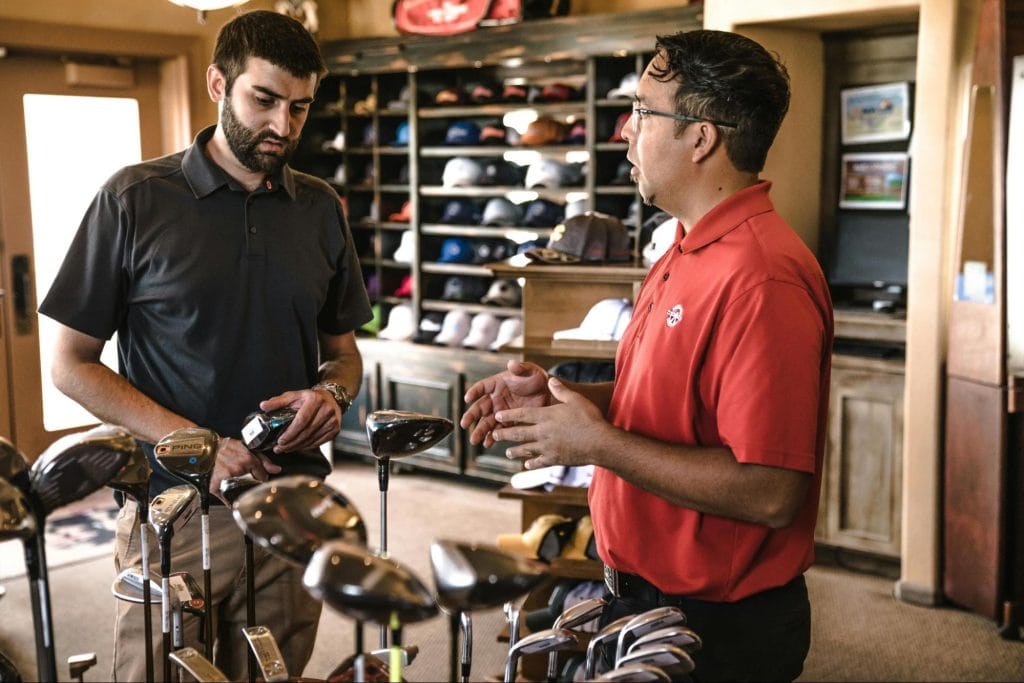
Running a small retail shop takes grit. The pace feels quick. Customers expect smooth service. Prices shift. Trends come and go. You juggle a lot. You also deal with pressure from large chains and online giants. Every edge matters. Small gains stack up.
Smart tools help you keep up and sometimes pull ahead. Modern financial tools make a huge difference. They cut stress. They give you clearer insight. They bring in better cash flow. They help you stay balanced in a tough market.
Payments That Move Fast
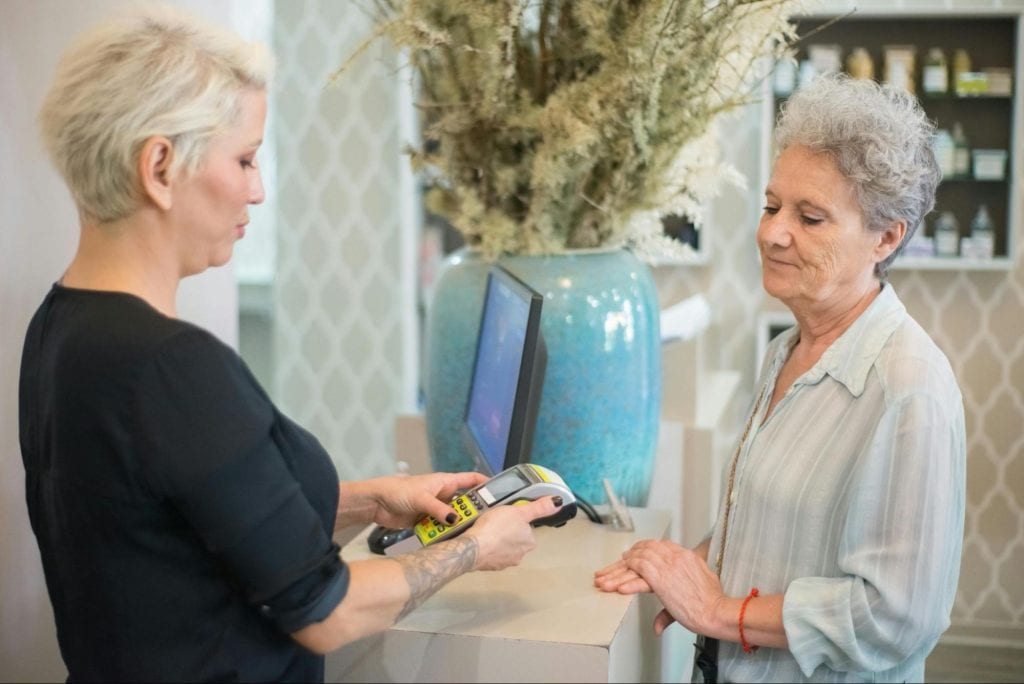
Retail needs fast cash flow. It also needs clean records. Customers want simple payments. Your team wants fewer headaches. The right payment setup helps a lot. Many shops lean on tools that support wide card acceptance and low downtime. Others look at extra add-ons that keep slow moments away. This is where some niche tools sneak in. You might see, for example, a cigar shop payment processing solution built to handle age checks and special inventory. Each setup fits a different need. The point is simple. Fast payments unlock smoother days. Slow payments block growth.
Modern payment tools give you more than a swipe and a beep. You get dashboards. You see trends. You spot slow hours. You catch patterns in ticket sizes. You test new payment methods. Small tweaks bring real results. You might find that tap-to-pay leads to shorter lines. You might learn that certain product bundles sell better in the afternoon. Data tells the story. Tools give you the lens.
POS Systems That Simplify the Grind
A strong POS system feels like a quiet teammate. It handles the routine work. It stores prices. It tracks inventory. It keeps receipts clean. It makes returns easy. It helps new staff learn the flow. You also get insights from each sale. You notice what moves fast. You spot what sits for too long. Your instincts matter but data gives you extra clarity.
A POS tool also marks your repeat customers. You see what they like. You send them offers. You test small changes in layout. One shift in shelf placement brings real change. You can tie your POS to loyalty tools. You reward your regulars. They come back more often. They feel seen. That connection keeps your shop alive during slow seasons.
Many small retailers use cloud POS systems. They update on their own. They keep your info safe. You stay free from bulky hardware. You also manage your shop from a laptop at home. It frees you from the counter. That freedom brings space to plan.
Inventory Tools That Cut Waste
Inventory eats time. It also eats cash. Too much stock hurts your budget. Too little stock kills sales. An inventory tool finds the middle ground. It warns you when numbers slip. It gives you a picture of your top sellers. It flags sudden spikes. It helps you plan seasonal buys. You avoid guesswork. You avoid panic orders. You avoid dusty shelves.
Some tools also link with your suppliers. They send automated orders. They show live counts. They keep each SKU updated. You forget fewer items. You overspend less. You protect your margins. You also build good habits. Your team checks the dashboard first. They spend less time with clipboards. They stay focused on customers.
Cash Flow Tools That Keep You Steady
Cash flow makes or breaks a small retailer. A slow month hurts. A late invoice hurts more. Cash flow tools calm the nerves. They track incoming money. They log your bills. They show how much you can spend with safety. They help you avoid tight weeks. They act like a guide who whispers “Not yet” at the right time.
Some shops use automated bill pay. Others lean on invoicing tools. Some try short-term funding. Some mix different tools. There is no universal setup. You pick what keeps your shop steady. The key is awareness. You see the moves. You spot gaps early. You stay ready for the next big order.
Budgeting Tools That Set the Pace
Small retailers who budget well stay calm. A budget tool gives you clear targets. You set limits. You track progress. You see where your money drifts. You cut what drains you. You invest in what grows you. You avoid emotional spending. You plan for upgrades. You prepare for holidays. You make choices with confidence.
Many tools show charts. Trends feel easier to read. You understand your strong months. You brace for the slow ones. You predict staffing needs. You judge marketing spend. You avoid blind guesses. You move with intention.
Loyalty Tools That Build Community
A small retailer thrives on community. People want familiar faces. They want warm service. They love tiny perks. Loyalty tools make this easier. You send a birthday discount. You reward repeat visits. You run small contests. You build a vibe that feels personal. People appreciate that. They talk about it. Word spreads.
Loyalty tools also mix well with POS data. You spot customers who drift away. You pull them back with one message. You test small offers. You check the results. You find the sweet spot.
The Big Picture
Small retailers who embrace financial tools stay sharp. These tools cut friction. They reveal patterns. They protect your margins. They strengthen customer ties. They free your team from boring work. Retail gets lighter. You move quicker. You stay resilient in a crowded market. You also gain confidence. You know your shop better. You make smarter calls. You stay ready for whatever trend comes next.
Subscribe to Our Newsletter
Join our exclusive community! Subscribe to our newsletter
and gain insider access to cutting-edge business insights and trends.
and gain insider access to cutting-edge business insights and trends.
Thank you for subscribing! We can't wait to share our latest news and updates with you. Get ready for exciting content in your inbox.
Featured Resources

Why No-Code Testing Tools Are Game-Changers for Software Companies
Published on July 23, 2025
Read Now
How to Start a Blog – Learn From Real Bloggers
Published on October 29, 2023
Here are the most important things to consider when starting ablog: Identify your niche — Focus on a specific topic you’re passionate about ...
Read Now
How to Start an Online Business: A Step-by-Step Guide
Published on September 13, 2023
Here are the most important factors to consider when you want to start an onlinebusiness: Niche and type of business — Define your niche andd ...
Read Now
Comments